5 Healthy Weight Loss Bowls Recipe

Salad bowls have a reputation problem. People assume they’re sad desk lunches — limp greens, zero satisfaction, eaten out of obligation. These five bowls are different. They’re filling, genuinely tasty, and collectively cover pretty much every health goal you might have, from gut health to protein intake to simply eating more vegetables without thinking too hard about it.
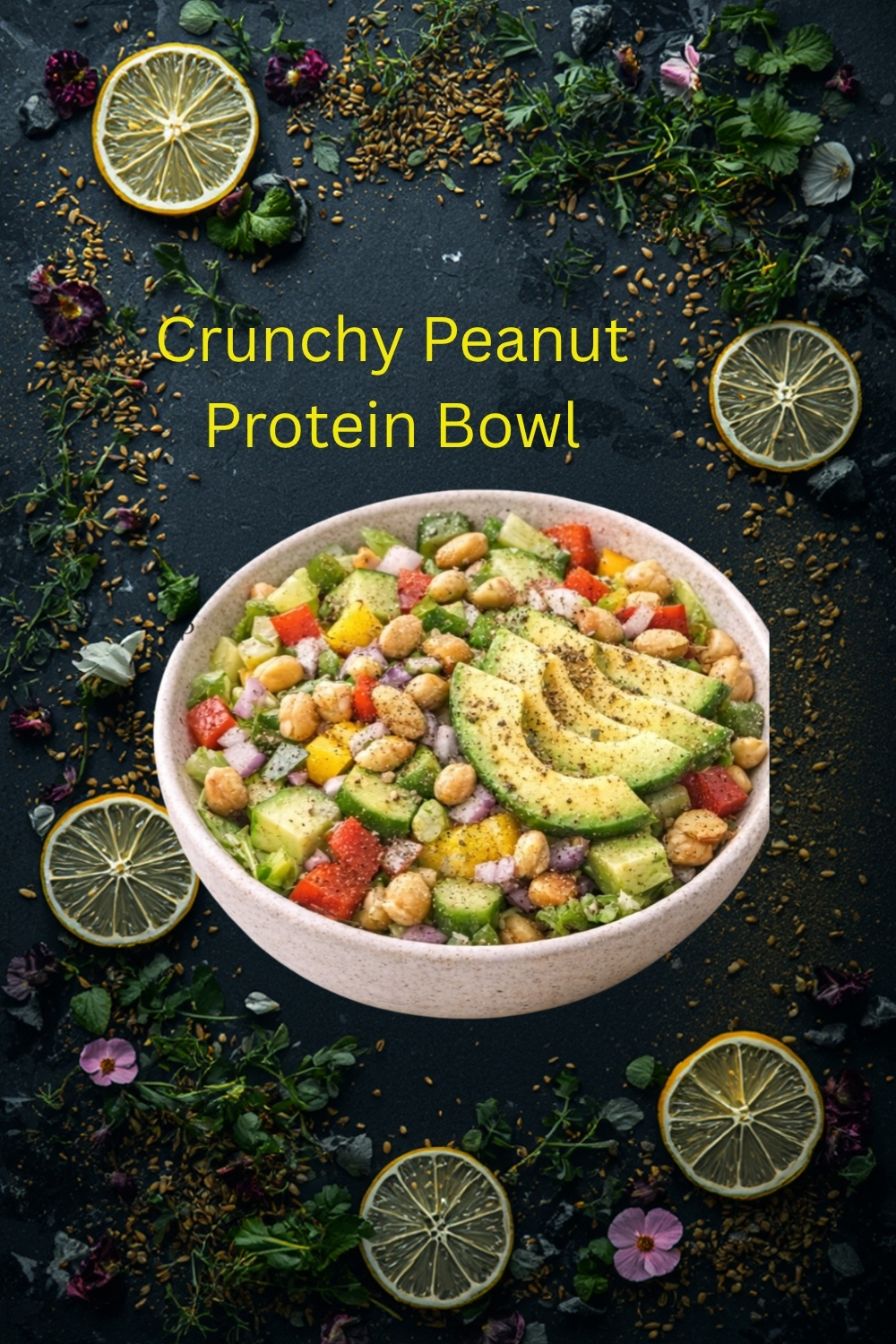
1. Crunchy Protein Power Bowl (~320 kcal)
What’s in it: Boiled chickpeas (100g), sliced avocado, roasted peanuts (15g), diced cucumber (50g), red and yellow bell peppers (80g), finely chopped onion, lemon juice (1 tbsp), olive oil (1 tbsp), chaat masala (½ tsp)
This one earns its name. The combination of chickpeas and peanuts gives you a solid plant-based protein hit, while the chaat masala — a tangy, slightly spicy Indian spice blend — pulls the whole thing together in a way that plain lemon dressing never could. The avocado adds healthy fats that help your body absorb fat-soluble vitamins from the peppers and cucumber.
Good for anyone who wants a vegetarian high-protein lunch that doesn’t taste like it’s trying to be meat.
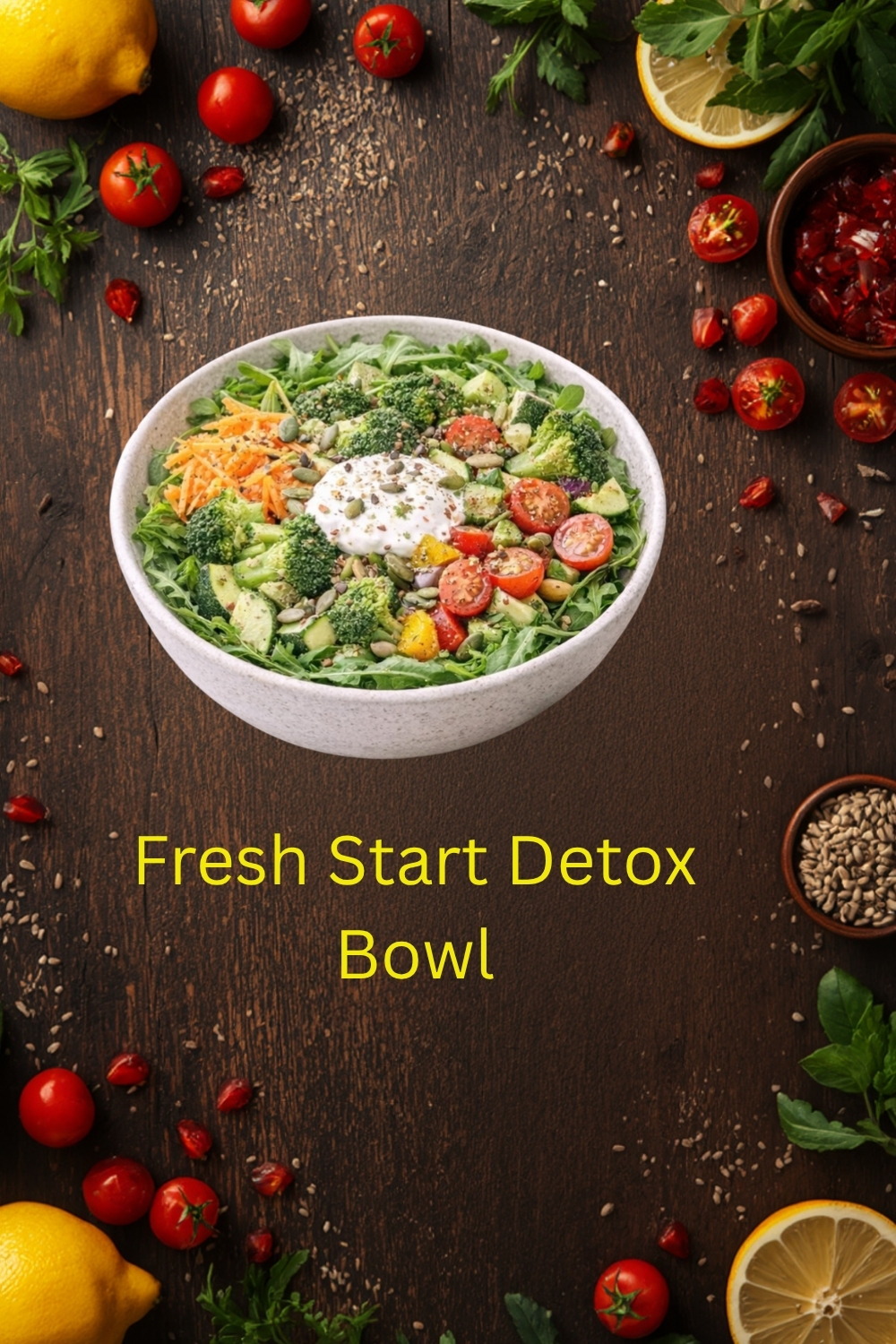
2. Fresh Start Detox Bowl (~300 kcal)
What’s in it: Arugula/rocket leaves, steamed broccoli and zucchini, grated carrot, bell peppers, cherry tomatoes, chia and flax seeds, pumpkin seeds, hung curd dressing, lemon juice, apple cider vinegar (ACV), olive oil
The word “detox” gets thrown around a lot, but this bowl genuinely delivers the things people mean when they say that: fiber, antioxidants, and foods that support digestion. Arugula is slightly bitter, which stimulates digestive enzymes. Broccoli has sulforaphane, which is one of the more studied anti-inflammatory compounds in food. The chia and flax seeds add omega-3s and a surprising amount of fiber for their size.
The hung curd dressing with ACV is smarter than it sounds — creamy enough to feel indulgent, but the acidity keeps it light. This is a good reset bowl after a heavy weekend.
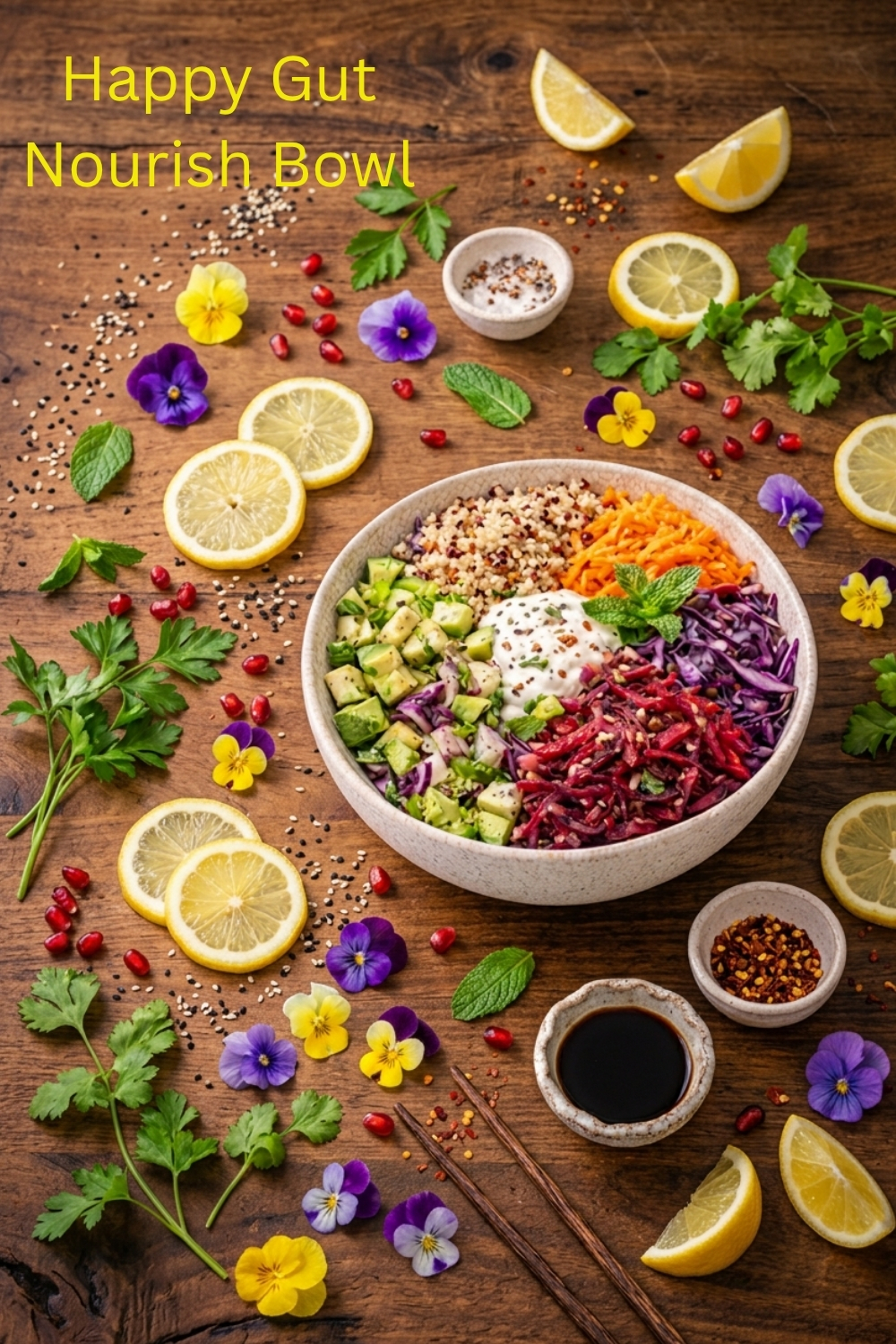
3. Happy Gut Nourish Bowl (~230 kcal)
What’s in it: Probiotic-rich yogurt, quinoa, purple cabbage, grated beetroot, grated carrot, diced cucumber and avocado, apple cider vinegar, olive oil and mustard, salt, pepper, and seeds
At 230 calories, this is the lightest of the five — but it’s not skimpy. Quinoa is a complete protein, meaning it contains all nine essential amino acids, which is rare for a plant food. The probiotic yogurt supports gut bacteria. Purple cabbage and beetroot both contain compounds (anthocyanins and betalains, respectively) that have been linked to reduced inflammation.
The mustard-ACV dressing is sharp and bright. It cuts through the earthiness of the beet nicely. This bowl is especially worth making if you’ve been dealing with bloating or sluggish digestion.
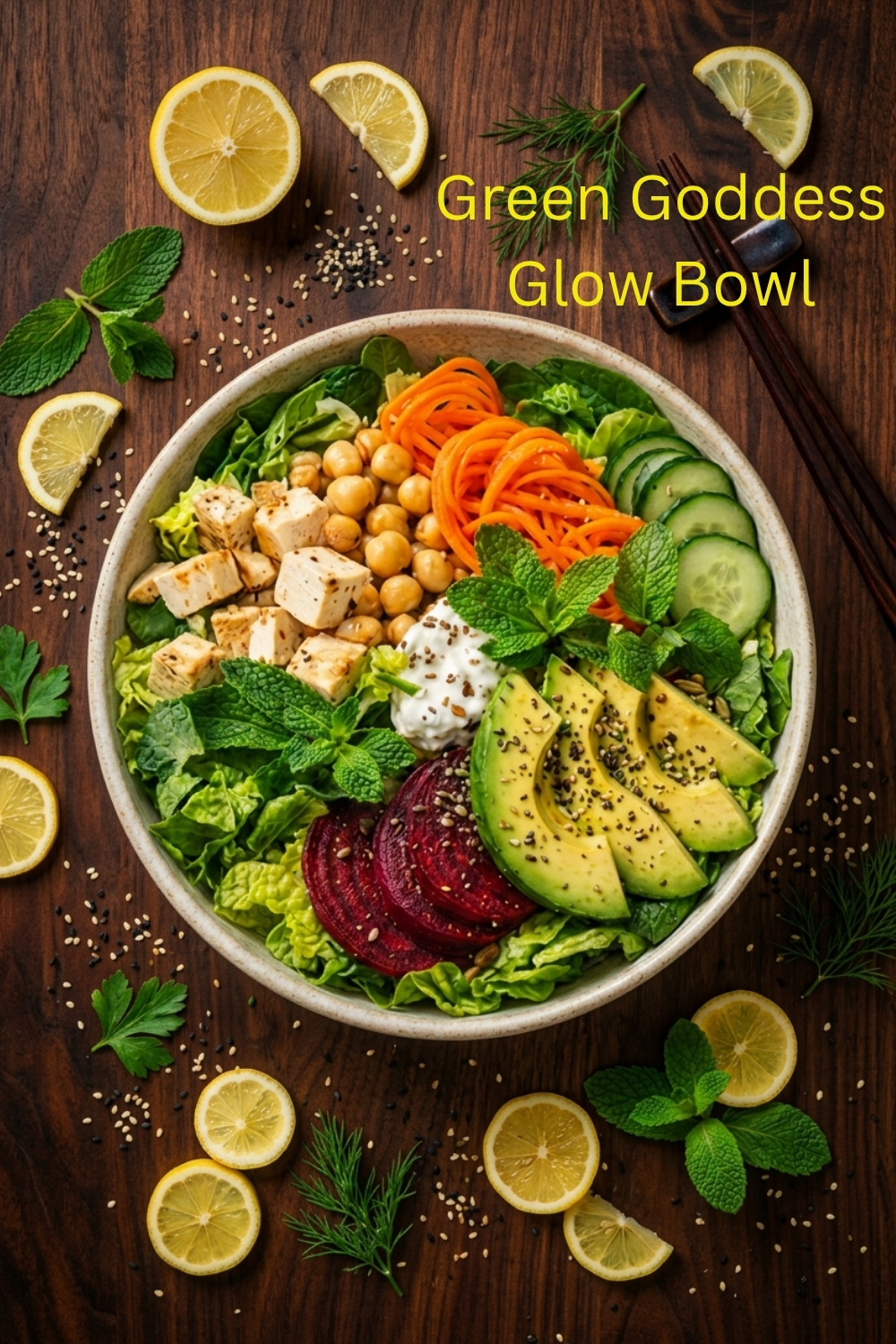
4. Green Goddess Glow Bowl (~350 kcal)
What’s in it: Baby spinach (~40g), lettuce (~40g), paneer or tofu (50-70g, cubed), boiled chickpeas (~3 tbsp), avocado (50g), sliced cucumber (~60g), grated carrot (~20g), beet slices, olive oil (1 tsp), hung curd or Greek yogurt dressing (2 tbsp), lemon juice (1 tbsp), flax and chia seeds (1 tsp each), mint and coriander leaves, salt and black pepper
This is the most substantial bowl of the group, and it shows. Paneer or tofu gives it a satisfying chew that the other bowls don’t have. The beet slices add color and nitrates, which support blood flow. Spinach brings iron and folate. The mint and coriander aren’t just garnish — they add a freshness that makes the whole bowl feel more alive.
At 350 calories with that much protein and micronutrient variety, this works as a full meal rather than a side or snack.
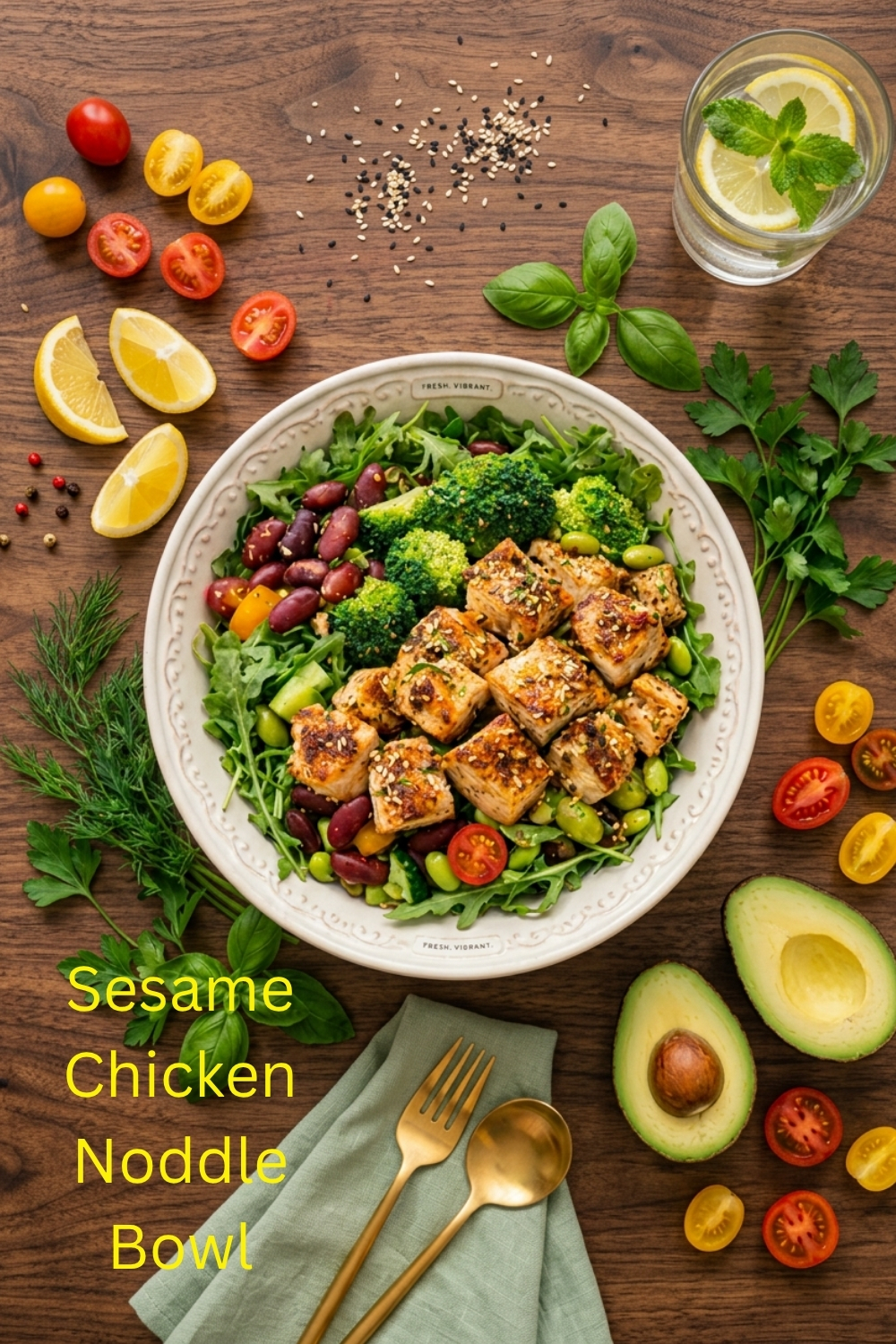
5. Sesame Chicken Power Bowl (~320 kcal)
What’s in it: Grilled chicken (80-100g), mixed greens/arugula, steamed broccoli and beans, cherry tomatoes, bell peppers, boiled red beans, sesame seeds, lemon juice, light soy sauce (optional), olive oil, black pepper
The only bowl with animal protein, and it makes a difference in the calorie-to-protein ratio. Grilled chicken breast is about as efficient a protein source as exists. The sesame seeds add a nuttiness and a small amount of calcium. Red beans bring fiber and slow-digesting carbs that keep blood sugar steady.
The optional soy sauce is worth adding — it gives the bowl an umami depth that makes it feel more like a restaurant meal than a home salad. This is the one to make when you’ve had an active day and need real recovery fuel.
A Few Practical Notes
All five bowls take under 20 minutes to assemble, assuming you cook the chickpeas, quinoa, or chicken ahead of time — which is easy to batch on a Sunday. They all sit in a calorie range (230-350 kcal) that works either as a standalone light meal or as one component of a larger day.
The ingredients overlap enough that buying for two or three of these at once is efficient: avocado, cucumber, bell peppers, olive oil, and lemon juice appear in multiple recipes. You’re not buying five separate shopping lists.
Pick one to start. The Crunchy Protein Bowl is probably the easiest entry point if you’ve never made a bowl like this before. The Happy Gut Bowl is the right call if your goal right now is digestion. And if you eat meat, the Sesame Chicken Bowl is the one most likely to actually keep you full.